Jersey, the largest of the Channel Islands, is a location with a rich mix of British and French influences, thanks to its varied past. Just off the coast of Normandy, this British Crown Dependency has a history shaped by its important location and unique local culture. Nowadays, Jersey is known for its charming character, beautiful scenery, and quirky features. Here’s a look at some of the island’s most fascinating facts.
1. Where is Jersey?
Jersey is in the English Channel, roughly 22 miles (35 km) from the Normandy coast of France. Although it's closer to France than the UK, Jersey is a British Crown Dependency as it was surrendered to the English Crown in the 13th century. Its strategic position has influenced its history and culture, making it a unique spot with its own distinct identity.
2. How big is Jersey?
Jersey measures about 46.2 square miles (119.6 square kilometres). Despite its small size, it offers a variety of landscapes, including sandy beaches, rugged cliffs, and rolling countryside.
3. Is Jersey part of the UK?
Jersey isn’t part of the UK; it’s a British Crown Dependency. This means it has its own government and laws but relies on the UK for defence and international relations. While it’s closely linked to Britain, Jersey enjoys a significant degree of self-governance.
4. What is Jersey famous for?
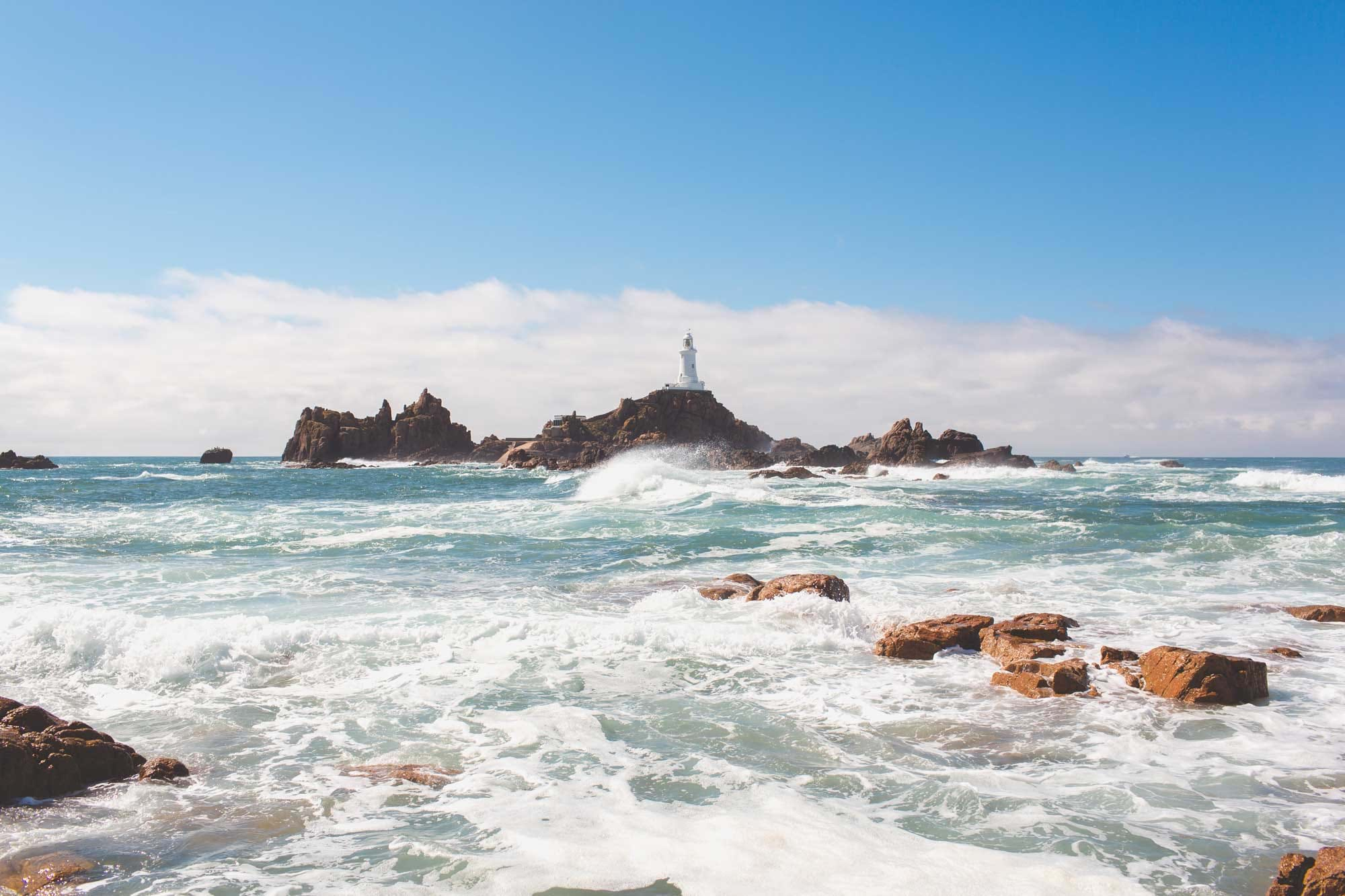
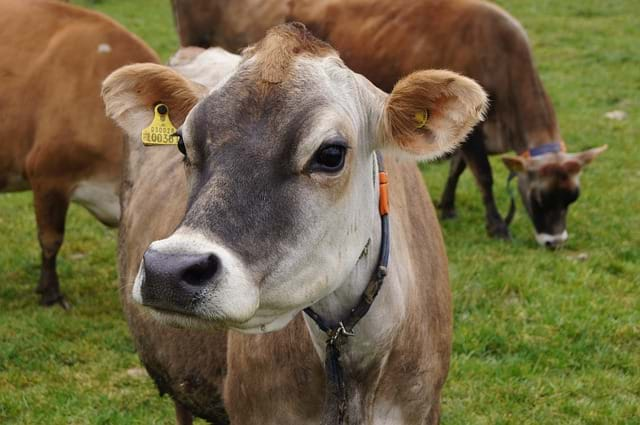
Jersey is famous for its stunning coastline, historical sites, and local produce. Highlights include its beautiful beaches, dramatic cliffs, and historical bunkers from World War II. The island is also known for Jersey cows, which produce rich milk, and Jersey Royal potatoes, which have a distinctive flavour.
5. Is Jersey tax free?
Jersey isn’t entirely tax-free, but it has a favourable tax system. Income tax is capped at 20%, and there’s no capital gains or inheritance tax. However, the island does have other taxes, such as the Goods and Services Tax (GST). Its low tax rates make it appealing to businesses and individuals.
6. Does Jersey have its own government?
Yes, Jersey has its own government called the States of Jersey. This assembly handles local affairs and legislation. While the UK manages defence and foreign relations, Jersey’s own government deals with internal matters and runs the island’s daily operations.
7. Why does Jersey shrink twice a day?
Jersey appears to "shrink" twice daily because of the tides. The island’s beaches and coastal areas are affected by the ebb and flow of the sea. At low tide, more land is exposed, making the island seem smaller. At high tide, the water covers more of the coastline, making it look larger.
8. Did you know knitting was outlawed in Jersey?
During World War II, German occupiers banned knitting in Jersey to conserve wool and other resources for the war effort. Despite the ban, local knitters continued their craft in secret. Today, knitting remains a cherished part of Jersey’s cultural heritage.
9. Bioluminescence on the beach
Jersey’s beaches can occasionally glow with bioluminescence. This natural phenomenon happens when microorganisms in the water emit light, creating a beautiful blue glow in the sea. It’s particularly noticeable on warm summer nights, adding a magical touch to the island’s coastal scenes.
10. Jersey used to be French!
Before becoming a British Crown Dependency, Jersey was part of the Duchy of Normandy. The island was under French rule, and some French influences are still present in its culture, place names, and architecture. This historical connection adds an extra layer of charm to Jersey.
11. Jersey has its own offshore reef
Jersey features an impressive offshore reef known as Hurd’s Deep, located about 11 miles (17 kilometres) from the island. This deep underwater reef is crucial for marine life and fishing. It supports a diverse ecosystem and is an important site for both commercial and recreational activities.
12. Jersey used to own New Jersey
In a historical twist, Jersey once had a claim over what is now New Jersey in the United States. In the 17th century, Jersey’s proprietors were granted land in the New World, including the area that became New Jersey. Although this claim was short-lived, it’s a fascinating part of Jersey’s history.
13. Jersey is well known for its coastal fortifications and bunkers
Jersey’s coastal fortifications and bunkers from World War II are significant historical features. The German occupiers built these defensive structures around the island, which are now popular tourist attractions. Exploring these sites offers insights into Jersey’s wartime history.
14. What local produce is Jersey best known for?
Jersey is renowned for its local produce, especially Jersey Royal potatoes, and Jersey milk. The island’s unique soil and climate produce potatoes with a distinctive taste. Jersey milk, from the island’s famous cows, is known for its rich and creamy texture, making it a local favourite.
15. Did you know jersey jumpers originated in Jersey?
The term "jersey" for the classic garment comes from the island itself. Originally, fishermen’s wives in Jersey knitted these warm, durable jumpers, ideal for the island’s maritime climate. The name reflects the island’s contribution to this beloved piece of clothing.
Jersey Travel Information
For everything you need to know about Jersey, including whether you need passports, the weather, travel insurance, and healthcare.