



Ferries
Ferry & Hotel
Select destination:

☰
- Ferries
- Ferry & Hotel
- Day Trips
- Travel Guides
- Onboard
- Help & Info
BOOK YOUR JOURNEY

Ferries
Ferry & Hotel
Select destination:
Take the Whole Family
Thinking of bringing your dog along for your next ferry journey? We welcome dogs onboard and offer dog-friendly hotels in Jersey and Guernsey. Here are a few things you should take note of before you travel.
1. You should make sure that your pet is healthy and fit for the journey. If you’re not sure, ask your vet for advice before travelling.
An animal is not normally fit for travel if it;
- Is ill or injured (except for minor illness or injury)
- Is new born with an unhealed naval
- Cannot feed itself or is not travelling with its mother
- Has given birth within the 48 hours before starting the journey
- Is heavily pregnant and likely to give birth during the journey
2. Dogs can be transported to veterinary specialists for treatment if they are referred by the veterinarian who usually cares for them.
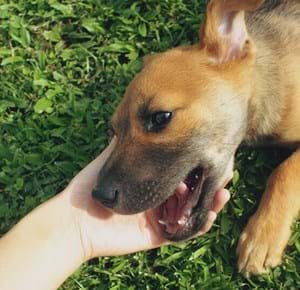
3. Travelling with puppies is fine as long as they’re over 8 weeks old. But, if they’re travelling with their mother then they can be younger.
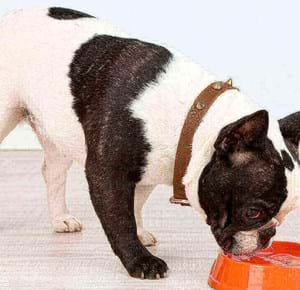
4. Your pet will travel more comfortably if it does not have a full stomach. We recommend feeding them a light meal at home about two hours before the journey starts.
5. When travelling, make sure your pet has access to water is available during the whole journey. A non-spill travel bowl is a great help with this.
6. If you and your pet are travelling in a vehicle, open the windows on both sides for ventilation and to allow a through draft. When doing this, leave gaps small enough so that your pet won’t escape or get its head trapped. It might be worth considering car window ventilation guards.
7. If you’re bringing more than one dog in a vehicle, they should be separated if there is a chance they will fight.
8. If your dog isn’t in a cage or in the back of a vehicle using a dog safety guard, it’s worth considering removing any collar or harness before leaving the dog. This is because collars and harnesses can become caught on objects such as hand brakes, gear sticks and foot pedals, which could harm the dog. When you return to your car, control your dog using a slip lead to loop around its neck before opening the door wide.
It is recommended that you do not secure your dog by its collar or harness to a fixed point or seat belt in the car whilst unattended.
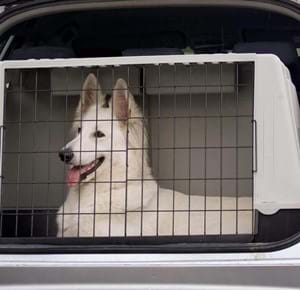
9. If you’re a foot passenger wanting to bring a pet, please bring an RSPCA approved carrier that’s suitable for the animal’s size and allows them to lie down, stand and turn around. Pets in carriers are kept on the car deck stairwells during the journey.
10. We normally provide escorted visits to the car deck to visit your pets whilst at sea, depending on the weather and safety. To arrange this, please visit the Cabin Managers desk once onboard for more information.
That’s all! We look forward to welcoming aboard you and your four-legged companion soon!
INFORMATION
MORE
CONDOR BREAKS

- Condor Ferries
- New Jetty Offices
- White Rock
- St Peter Port
- Guernsey
- GY1 2LL
- +44 3456 091 024
FOLLOW US


